Maintain Better Oral Health With Age by Protecting Saliva, Gums and Daily Care
Direct answer: Ageing does not create a single oral-health problem, but the factors surrounding later life can change oral conditions. Dry mouth, medications, medical conditions, changes in dexterity, dental history and gum disease can all affect daily oral care. The useful goal is to adapt the routine to the person's actual needs rather than treating age itself as a diagnosis.
This site may earn a commission from qualifying purchases. Commercial relationships do not change the evidence standard used in the buyer guidance.
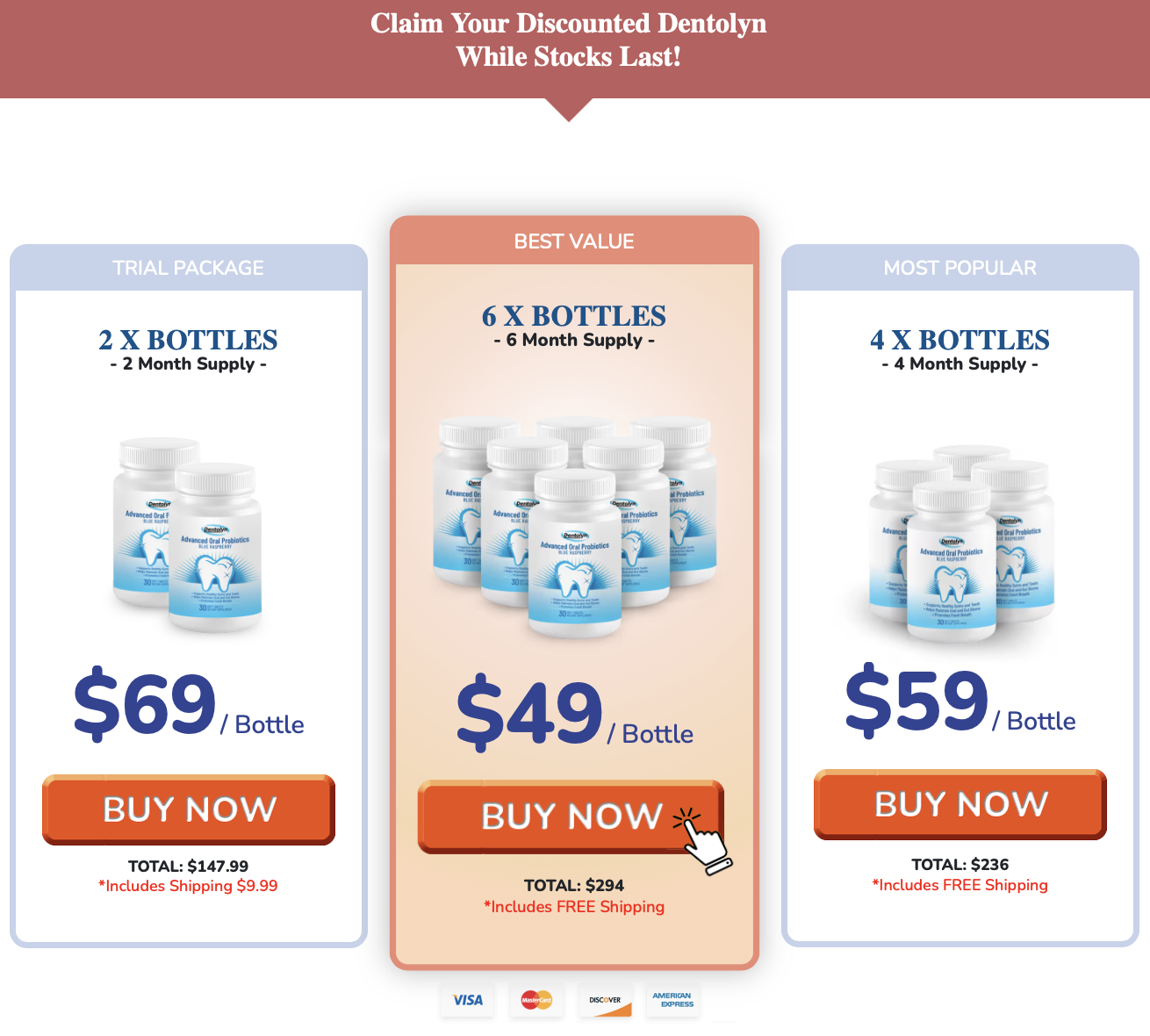
Dentolyn Oral-Health Supplement
Review the product profile after the page-specific problem and evidence question are clear.
Dentolyn
Oral-health supplement currently reviewed for formula, evidence, safety, legitimacy and buyer-protection fit across this site.
What tends to matter more for oral health as people get older?
Dry mouth
Reduced saliva can affect comfort, swallowing, breath and the oral environment.
Medications
Some medications can contribute to dryness or alter oral conditions.
Plaque control
Changes in dexterity, dental work or routines can make cleaning more difficult.
Gum and tooth history
Past periodontal disease, restorations and tooth loss can shape current needs.
Professional monitoring
Regular assessment helps identify problems that are hard to detect through symptoms alone.
Supplement fit
Dentolyn should be considered only after the person's actual risks and routine are clear.
Keep Dentolyn within a realistic oral-health role
Dentolyn is evaluated as an optional oral-health supplement. Broader systemic associations or age-related changes do not establish a finished-product treatment effect. Direct oral care, individual health context and evidence boundaries remain primary.
Reasonable role
Optional supplemental support after the user's direct oral-health needs and routine are clear.
Evidence limit
Do not convert association research, age-related context or ingredient evidence into disease-treatment or whole-body claims.
Resolve the health and evidence question before comparing packages
Use this page to understand the problem and evidence boundary. Move to package selection only after the product's realistic role is clear.
Age itself is not a diagnosis
There is no scientific basis for treating a specific birthday, such as age 40, as the point at which the oral microbiome suddenly changes or supplementation becomes necessary. Oral-health needs evolve through a combination of dental history, saliva, medications, medical conditions, lifestyle, diet and the ability to maintain daily care.
Dry mouth can become more important in later life
The supplied review discusses reduced saliva and medication use in older adults as factors relevant to oral conditions. Saliva supports lubrication, oral comfort and the chemical environment of the mouth. Persistent dryness can therefore affect breath, eating comfort, caries risk and the way the oral microbial environment functions.
Medication review can be part of oral-health care
Many people accumulate medications as they age, and some can influence saliva or oral conditions. When dry mouth, altered taste or new oral symptoms appear after a medication change, the connection deserves attention. A supplement should not be used to mask a medication-related problem without appropriate review.
Dental history matters more than chronological age
A person with extensive restorations, previous periodontal disease, missing teeth, implants or recurrent cavities may need a different routine from someone of the same age with a different dental history. Age-based marketing often overlooks these practical differences.
Dexterity and routine complexity can affect plaque control
Brushing and interdental cleaning require consistent technique. Arthritis, reduced dexterity, vision changes or a complicated dental restoration pattern can make effective cleaning harder. Simplifying the routine or using professionally recommended aids may produce more value than adding another supplement.
Gum health should be monitored rather than assumed to decline with age
Bleeding, swelling, recession and tooth mobility are not inevitable consequences of getting older. They can reflect plaque accumulation, periodontal disease or other problems that deserve direct assessment. Treating these signs as normal ageing can delay useful care.
Tooth loss is not an automatic part of ageing
Maintaining teeth depends on long-term management of caries, periodontal disease, trauma and other factors. A good ageing-focused page should encourage prevention and monitoring rather than imply that deterioration is unavoidable.
Diet and hydration can influence the oral environment
Eating patterns, fermentable-carbohydrate exposure and hydration remain relevant throughout life. When appetite, diet texture, medication use or fluid intake changes, the oral environment can change as well. These factors should be reviewed alongside plaque control and dental status.
Medical conditions can shape oral care needs
Diabetes, gastrointestinal disease, neurological conditions, autoimmune disease and other systemic conditions may affect immune responses, saliva or the ability to maintain oral care. The useful response is individualized management, not a universal supplement recommendation for older adults.
Where Dentolyn may fit
Dentolyn can be considered as an optional oral-health supplement for an adult who has reviewed the formula, current label directions, medication context and oral-care routine. It should not be positioned as necessary because of age, and it should not replace direct management of dryness, plaque, gum disease or dental problems.
Why medication and supplement review belong together
As medication lists become more complex, adding any supplement deserves more attention to suitability. The buyer should review the current label and discuss uncertainties with an appropriate healthcare professional rather than assuming an over-the-counter oral-health product is automatically compatible with every medication or condition.
A practical ageing-focused oral-health framework
| Area | Question to ask |
|---|---|
| Saliva | Is persistent dry mouth or altered taste present? |
| Medication | Did oral symptoms change after a new medicine or dose? |
| Plaque control | Is brushing and interdental cleaning still effective and practical? |
| Dental history | Are there restorations, implants, periodontal issues or recurrent cavities? |
| Supplement use | Does the product fit safely around the person's actual needs? |
Practical conclusion
Better oral health with age comes from adapting care to changing needs rather than following an arbitrary age threshold. Protect saliva, maintain plaque control, monitor gum and tooth health, review medications and use professional care when needed. Dentolyn can only be an optional layer within that individualized plan.
Reference framework: Rajasekaran JJ et al. “Oral Microbiome: A Review of Its Impact on Oral and Systemic Health.” Microorganisms. 2024;12:1797. DOI 10.3390/microorganisms12091797.
Why ageing-focused oral care should be individualized
Later-life oral care is often less about adding more products and more about adapting the routine to changing circumstances. A person with dry mouth may need a different approach from someone with periodontal history, reduced dexterity or extensive dental work. The most useful plan therefore starts with the specific barrier to good oral health, simplifies the daily routine where needed and adds optional products only when they solve a clearly defined problem.
Choose the next guide based on the problem you still need to solve
Healthy oral microbiome guide
Fresh breath and dry-mouth context
Healthy gums guide
Review deeper oral-health evidence
Compare current packages
Ready to compare the current offer?
Only move to package selection after the health and evidence questions are clear.
Frequently Asked Questions
Does the oral microbiome suddenly change after age 40?
No specific age threshold establishes a universal microbiome shift or a requirement for supplementation.
Why can dry mouth become more important with age?
Medication use, health conditions and reduced saliva can become more common and may affect oral comfort and oral conditions.
Are bleeding gums normal with age?
No. Persistent bleeding, swelling or recession should be assessed rather than treated as inevitable ageing.
Does Dentolyn become necessary after a certain age?
No. Dentolyn should be evaluated according to individual oral-health needs, formula, safety and evidence, not age alone.
Can medications affect oral health?
Yes. Some medications can influence saliva or other oral conditions, so new symptoms deserve review.
What matters most for maintaining oral health with age?
Consistent plaque control, saliva awareness, medication review, gum and tooth monitoring, appropriate diet and professional dental care.